
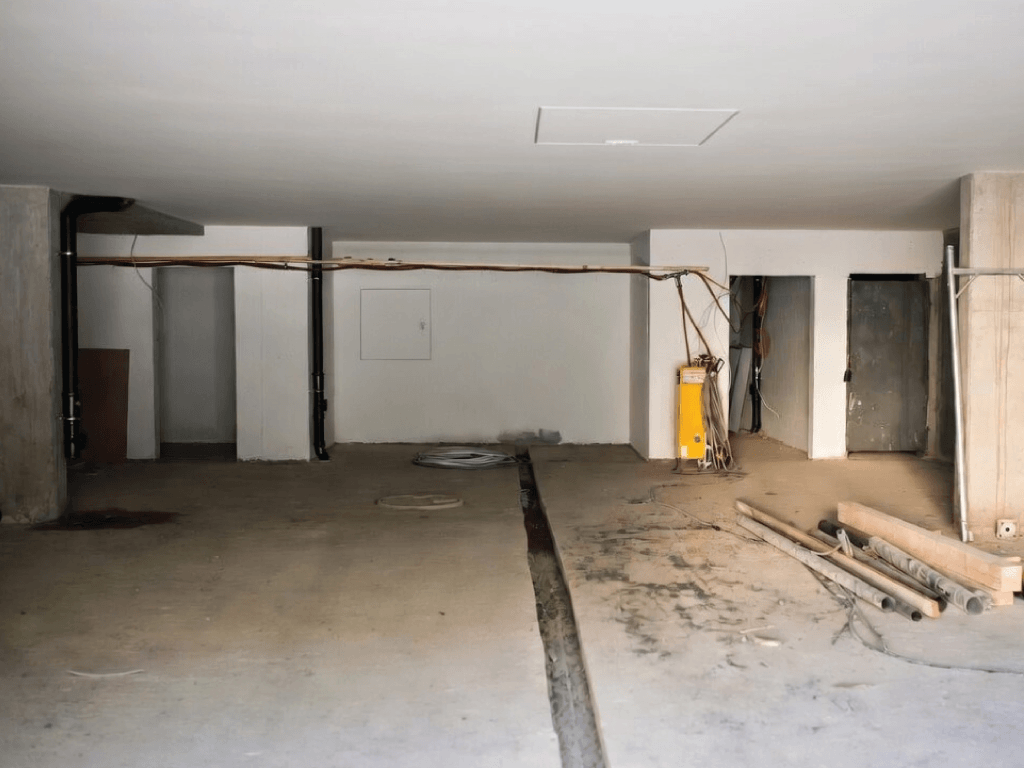
General-purpose access doors help Canadian retrofit projects modernize MEP systems, maintain code compliance, and reduce rework in older wall and ceiling assemblies. They provide a standardized, non-rated entry point into building systems.
General-purpose access panels allow contractors to integrate modern technology into older structures. As a result, building owners avoid the costly cycle of drywall repair and patching.
Aging commercial and institutional buildings across Canada pose unique challenges. Contractors and architects deal with tight spaces, unknown framing, and structural systems designed long before the era of fiber optics and advanced building automation.
Whether it’s a phased hospital upgrade or a downtown office revitalization, general-purpose access doors reduce retrofit risk. They help keep walls closed after finishing—while still providing the access needed for inspections and future maintenance.
Why Are Access Doors Critical in Renovations of Aging Canadian Buildings?
Access doors matter in Canadian commercial building renovations because older structures weren’t designed for today’s service demands. Many legacy wall and ceiling assemblies simply don’t have the space or the planning for modern MEP systems.
Think about valves, sensors, cabling, dampers, and controls. Aging buildings often lack the cavity space needed to support such infrastructure. Without planned access, serviceable components end up buried behind finished drywall, plaster, or tile.
General-purpose access panels:
Prevent Destructive Maintenance and Finish Damage
Dedicated access points prevent maintenance teams from cutting into finished surfaces every time a repair is needed. Over time, this minimizes compounding costs, recurring disruption, and degraded aesthetics.
Help Teams Navigate Hidden Conditions
Opening a wall in a building from the 1960s or 70s rarely matches the original drawings. Contractors often encounter unexpected masonry, asbestos containment zones, or legacy firestopping that hasn’t been touched in decades.
General-purpose access doors provide a permanent, controlled opening that allows teams to document and safely revisit these hidden conditions. Future crews will not need to drill mindlessly into hazards or structural members.
Reduce Rework and Support Inspection-Ready Renovations
Access doors are a hedge against rework. In public infrastructure modernization, such as schools, hospitals, and government buildings, budgets and timelines are tight. Installing the right access doors and panels during the initial retrofit helps eliminate the patch-and-paint cycle.
It also supports inspection access, allowing inspectors to verify system conditions without tearing open finished assemblies.
Stay up to date with the latest access panel innovations and construction trends. Whether you need deep-dive guides or the most recent access door solutions, you can find expert advice and practical tips at our Construction Innovation Resource Center.
How Do General-Purpose Access Doors Simplify Retrofitting Modern Building Systems?
General-purpose access doors simplify retrofit construction by providing a universal, repeatable access solution for non-rated walls and ceilings.
Cover Most Non-Rated MEP Access Needs
In Canadian commercial renovations, many service points don’t require specialty performance. They simply need reliable access. General-purpose access doors make it easy for maintenance personnel to reach:
- Zone valves, shutoffs, and backflow components
- BAS nodes, sensors, and control wiring
- Electrical junction boxes and low-voltage connections
Because these doors are designed for non-rated assemblies, they become the practical baseline for retrofit projects where accessibility matters more than specialized performance.
Are Easy to Standardize Across Phased Renovations
Retrofit projects often span multiple floors, wings, or shutdown windows. General-purpose access doors help teams keep details consistent by using the same door type repeatedly across:
- Mechanical rooms and corridor ceilings
- Plumbing chases and service walls
- Electrical access points and control zones
This consistency supports faster approvals, smoother installation, and fewer “what model goes here?” decisions in the field.
Instead of specifying a different door for every trade and location, contractors can standardize on a versatile access door. This reduces coordination errors and keeps the MEP system upgrades inspection-ready.
Adapt Better to Aging Buildings
Older Canadian buildings rarely offer clean, uniform substrates. It’s common to encounter drywall, masonry, and lath-and-plaster within the same renovation zone.
General-purpose doors are ideal for that reality. They come with frames that can accommodate different substrate types, helping contractors create a clean, professional access point without overcomplicating the detail.
Support Repeatable Procurement
Retrofits move fast, and delays often come from small items that aren’t ordered early. General-purpose access doors are easier to standardize and stock because:
- Sizes are common
- Models are widely available
- Specs are simpler than specialty doors
That makes it easier to purchase in bulk for phased renovations—especially in hospitals, schools, and government buildings.
Allow Clean, Consistent Finishes
In aging buildings, you’re often blending old and new finishes. General-purpose access doors help keep the renovation looking intentional by providing a consistent trim, a clean perimeter, and a repeatable look across corridors, service rooms, and ceilings.
That may seem like a small thing, but during client walkthroughs, inconsistent finishes can trigger rework.
When Should You Consider Custom or Specialized Access Panels for Retrofit Projects?
Contractors should opt for custom and specialized access panels when standard panels don’t fit legacy framing, finishes, or rated assemblies.
Specialized Access Panels for Code Compliance
To support Canadian building code compliance, access doors should match the performance of the surrounding wall or ceiling assembly. That often means:
- Specifying fire-rated access doors in rated separation.
- Using acoustic panels where STC ratings are necessary.
- Opting for insulated access solutions where thermal performance is required.
If you are retrofitting a modern MEP system into a fire-separated corridor, a standard general-purpose door will invalidate the wall’s rating. In these cases, the risk of a mismatch is high. An inspector will quickly fail a project if they see a non-rated panel in a rated assembly, leading to expensive tear-outs.
Modern codes demand high levels of accountability. Code-compliant access panels must be placed so that labels are visible and the fit is snug.
During the final walkthrough, an inspector needs to see that the firestopping around the penetration isn’t compromised and that the door operates without binding.
Custom Access Panels for Unique Retrofit Situations
In some instances, standard access panels cannot accommodate legacy framing, high-security latching, or special architectural finish demands. This is where custom access panels come in.
Custom solutions are often a necessity rather than a luxury in retrofit construction and institutional building modernization. Consider custom if you face:
- Irregular Dimensions: Avoiding the need to cut a structural header by ordering a door that fits the existing gap.
- Specialty Finishes: In lobbies with marble, tile, or wood paneling, “standard” steel doors look out of place. Custom “recessed” panels allow the finish material to be applied directly to the door face.
- Environmental Needs: If the renovation involves a high-moisture mechanical room or an exterior-adjacent wall, stainless steel or galvanized custom-built components prevent premature corrosion.
FAQs about General-Purpose Access Doors
1. What is a general-purpose access door used for in commercial renovations?
They are used to provide entry to non-rated wall and ceiling cavities, allowing maintenance teams to reach plumbing valves, electrical junctions, and HVAC controls without damaging the wall.
2. Can I use a general-purpose access door in a fire-rated wall in Canada?
No. If the assembly is fire-rated, you must use a certified fire-rated access door that matches or exceeds the wall’s rating to maintain compliance with the Canadian building code.
3. Where do access doors typically go during MEP retrofit construction?
They are usually placed at critical service points, such as VAV boxes, water shut-off valves, cleanouts, and any electrical junctions that require periodic inspection.
4. How do access doors help reduce disruption in occupied building renovations?
They allow for clean maintenance. Instead of creating dust and debris by cutting into drywall, technicians simply open the door, perform the work, and close it—keeping the environment intact and quiet.
Conclusion
General-purpose access doors are far more than just metal panels in a wall. They are the key to making retrofit construction sustainable.
By supporting modern MEP integration, these panels make retrofit upgrades easier to plan and execute. They also keep renovation inspection-ready by maintaining reliable access to critical components.
And because they work well in occupied spaces, they help reduce disruption during phased construction. Over time, this reduces the long-term risks and costs associated with aging Canadian infrastructure.
Whether you’re working with standard drywall or a custom finish, the right access solution helps ensure the renovation stays functional long after project closeout.
While our high-level resources provide a great foundation, nothing beats a one-on-one consultation when navigating complex project specs or custom requirements. Talking to a specialist ensures you get the exact specs and technical details needed to keep your project on track.
To ensure your next retrofit stays on schedule and fully compliant, reach out to our industry partners at Best Access Doors by calling 1 (888) 655-3711. Finding the right solution for your building starts with a quick conversation.