
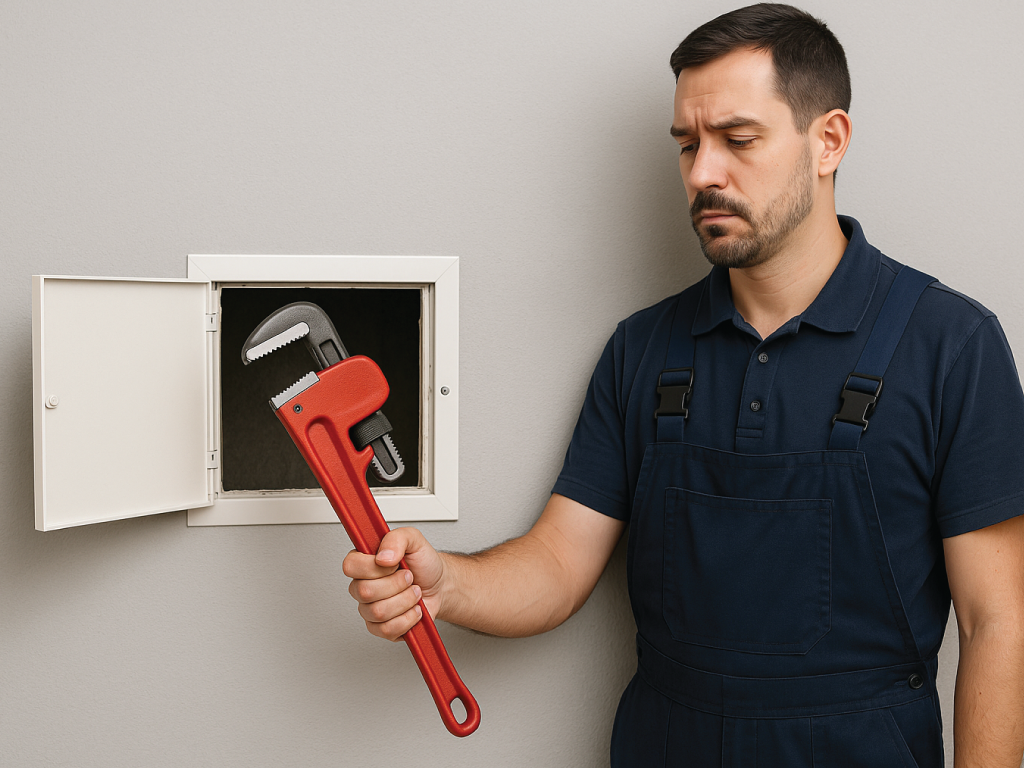
Smooth maintenance operations depend on one often overlooked detail: proper access. Whether it’s an electrical panel, HVAC unit, or pipe chase, if your team can’t reach it quickly, things can go wrong fast.
Mistakes in planning or maintaining access doors and panels can lead to delays, damage, and rising costs. This article will discuss the most common maintenance access challenges and how to fix them before they cause bigger problems.
Mistake #1: Choosing the Wrong Access Door or Panel
One of the most common maintenance headaches is choosing the wrong access doors and panels. Technicians can’t do their jobs efficiently when sizes, materials, or features don’t match system and project requirements.
Imagine calling an HVAC technician only to realize the panel is too small to reach the components it’s hiding. Now, you’re looking at delays and added labor.
Mismatched doors—whether non-insulated near ducts or standard panels in fire-rated zones—also risk damaging surrounding systems. These issues are often the result of teams selecting access doors and panels based on aesthetics or budget without considering what’s behind the wall or ceiling.
Solution
To avoid this, you should coordinate early between maintenance technicians, engineers, and architects. Always check the system specs and review access door product sheets for compatibility. Ideally, this should take place during the planning and early construction stages.
Choosing the right access doors and panels ensures smoother building maintenance access and avoids rework later. Planning upfront can prevent major disruptions during repairs or routine servicing.
Mistake #2: Following Poor Installation Practices
Even the best access panel won’t perform well if installed incorrectly. Poor alignment, loose frames, or insufficient sealing can lead to many problems. They include air leaks that waste 20% or more of the energy used to cool or heat a building to panels that don’t open or close properly.
These issues become even more critical in climate-controlled areas or locations requiring fire-rated barriers.
A common scenario? A panel that’s supposed to sit flush with the ceiling ends up slightly misaligned, creating a gap or making it hard to operate. In some cases, installers might skip steps or overlook specific instructions, especially if they’re not experienced with access panel installation.
Solution
The solution is simple but essential: always follow the manufacturer’s installation guidelines and work with qualified professionals who are familiar with the product and the installation process.
Once installed, test the door’s operation, especially for airtight or watertight access doors and panels. Avoiding maintenance access challenges starts with getting the basics right, including installing every panel with precision.
Want more insights like this? Join the ongoing construction conversation and access trusted insights, practical solutions, and the latest access door innovation. Visit the Construction Innovation Resource Center to explore valuable resources and expert guidance.
Mistake #3: Installing Access Panels in the Wrong Place
The location of an access panel can be just as important as the type you choose. Poor placement can block critical equipment, interrupt maintenance schedules, or violate safety regulations.
For example, placing a panel directly above a heat source or behind large equipment can make it nearly impossible to reach during service.
These mistakes often happen when access door planning becomes a last-minute decision during design or renovation. If HVAC, electrical, and plumbing trades aren’t consulted early, panels end up in inconvenient or dangerous locations.
Solution
To prevent these maintenance workflow disruptions, involve all relevant teams in the layout process. Coordinate access door placement with system service points and routine inspection routes.
That way, creating maintenance access becomes smoother, safer, and more compliant with code. A well-placed panel saves time, reduces frustration, and keeps technicians from needing to “work around” a bad setup.
Mistake #4: Skipping Regular Inspection and Maintenance
Just like other building features, access doors and panels need routine care. Without it, hinges can rust, locks can loosen, and gaskets can deteriorate—leading to panels that jam, leak, or become safety risks.
Ignoring upkeep often results in unexpected access failures when needed most, like during emergency repairs.
Picture a technician needing urgent access to a valve, only to find the panel’s hinges rusted shut. Now there’s more than one problem to fix. These small oversights can become bigger maintenance access challenges if panels aren’t regularly checked and maintained themselves.
Solution
Fixing this is straightforward:
- Include access panels in your facility maintenance solutions.
- Add them to inspection checklists.
- Look for wear and tear on hinges, latches, seals, and finishes.
- Keep a log of each panel’s location and model to track service history and replacement timelines.
Preventive maintenance ensures reliability and protects the surrounding infrastructure. When properly maintained, access doors work as intended, quietly supporting the flow of maintenance tasks without causing costly delays or safety concerns.
Better Access Means Fewer Headaches
Access doors and panels are essential for building maintenance, but only when correctly chosen, installed, and maintained. The most common disruptions—poor specs, flawed installations, bad placement, and lack of upkeep—are avoidable.
Planning access with long-term usability in mind can help teams prevent delays, reduce costs, and stay compliant with safety standards. Take a moment to assess your current access setup. Improvements now can lead to fewer problems later.
Access Solutions Hub provides the insights—but when it’s time to choose the right access solution, connecting with a product specialist can help.
For expert guidance and product details, contact our trusted partner, Best Access Doors, at 1 (888) 655-3711. The right fit starts with the right conversation.
Leave a Reply