
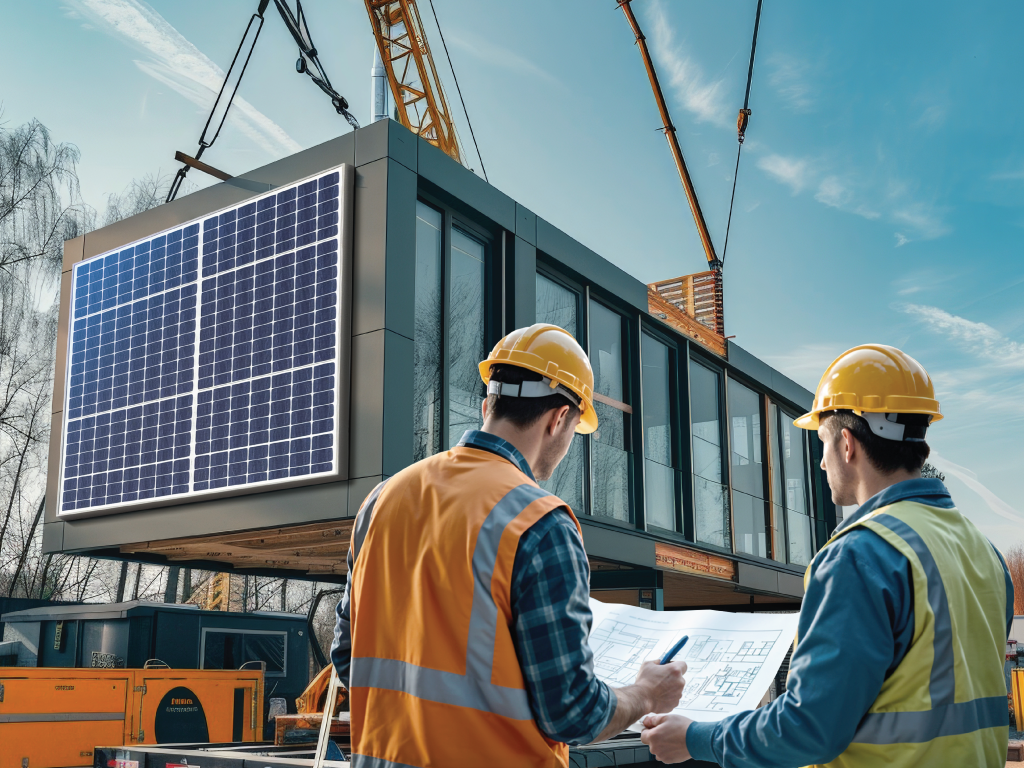
The commercial construction industry is quickly changing, and 2025 is shaping up to be a big year for new ideas and innovations. If you’re a contractor or builder, keeping up with these changes isn’t just smart—it’s important.
Trends are pushing the industry forward, from sustainable materials to smarter building designs. But here’s something you might not have thought about: access doors and panels are quietly playing a bigger role in these advancements than you might expect.
Let’s break down what’s ahead and how access doors fit into the picture.
Key Commercial Construction Trends for 2025
The future of construction is all about building better, faster, and smarter. Here are five trends set to influence the industry in 2025:
1. Sustainable Building Practices
Sustainability is no longer optional—it’s becoming a standard expectation in commercial construction. In fact, Bain & Company’s 2024 Sustainability Survey found that 76% of consumers globally say practicing a sustainable lifestyle is important because it has an impact.
To meet environmental goals, more builders are turning to eco-friendly materials, energy-efficient designs, and certifications like LEED.
In 2025, expect to see more solar-integrated designs, energy recovery systems, and advanced insulation techniques to reduce energy consumption. A noticeable trend in construction is the growing preference for sustainable materials like recycled steel, low-emission concrete, and reclaimed wood.
Notably, the survey revealed that US consumers are willing to pay up to 10% more for products with minimal environmental impact—a clear sign that sustainable building practices are becoming a worthwhile investment.
2. Modular and Prefabricated Construction
Faster timelines and reduced labor costs? Yes, please! That’s exactly why modular and prefabricated construction methods are gaining serious momentum. And the demand is only growing.
Data from MarketsandMarkets showed that the global modular construction market is projected to expand to $140.8 billion by 2029, with a steady 6.2% annual growth rate.
Builders can streamline project timelines and minimize on-site disruptions by assembling components off-site and installing them on location. This approach isn’t just efficient—it’s practical, too. With fewer weather delays and a controlled production environment, modular construction often results in higher-quality builds.
Expect modular design to become even more refined this year, with improved material choices and smarter integration of mechanical systems to support faster, more flexible builds.
3. Smart Building Technology
Technology is transforming commercial spaces with systems designed to improve energy management, security, and occupant comfort. Smart HVAC systems, automated lighting, and IoT-connected devices are becoming essential for modern buildings.
Increased demand for automated access control systems, remote monitoring, and energy-efficient operations will drive innovations in building design. Contractors who embrace these advancements will stay competitive in a rapidly evolving industry.
4. Evolving Fire and Smoke Management Standards
Building codes are tightening to emphasize improved fire and smoke containment. New requirements focus heavily on compartmentalization strategies that help slow the spread of fire and smoke, giving occupants more time to respond.
This shift is pushing builders to adopt updated materials and designs that enhance compartmentalization, such as improved fire-rated walls, ceilings, and entry points.
5. Flexible and Adaptive Spaces
The way commercial spaces are used is changing, with businesses seeking adaptable layouts that support hybrid work models and multipurpose environments.
In 2025, expect to see more movable partitions, flexible floor plans, and convertible workspaces that allow businesses to adjust their environments as needed. This trend emphasizes both functionality and design, encouraging the use of materials and finishes that create seamless, multipurpose interiors.
How Access Doors and Panels Are Evolving to Keep Up With These Trends
Believe it or not, access doors and panels are keeping pace with these construction trends. They’re becoming smarter, sleeker, and more efficient. Here’s how they fit into 2025’s big shifts:
Sustainable Solutions
Access doors are stepping up their eco-game! Many now feature improved insulation to prevent heat loss, making buildings more energy-efficient. Plus, manufacturers are exploring recyclable materials to reduce environmental impact—proving that even the smallest building features can support sustainability.
Modular Construction Support
When speed and precision are everything, modular-friendly access doors and panels shine. Pre-assembled models designed for modular wall systems make installation faster and easier, helping contractors meet tight project deadlines without sacrificing quality.
Smart Building Integration
As smart technology continues to evolve, access solutions are adapting. Some models now feature integrated sensors that detect environmental conditions like rain, providing valuable data to property owners and managers. This information helps maintain optimal building conditions and supports proactive maintenance.
Remote control capabilities are another game-changer. With smartphone apps, tablets, or centralized building management systems, users can easily open, close, or lock access points—reducing manual effort and improving efficiency.
Electric actuators are becoming increasingly popular for heavier access points like roof hatches. These devices automate door movement, ensuring smooth and quiet operation while minimizing physical strain.
Fire-Resistant Solutions for Code Compliance
Fire-rated access doors are evolving to meet stricter codes. These models help slow the spread of fire and smoke to other areas for a certain period, depending on their fire rating. These doors and panels give users, personnel, and first responders enough time to act accordingly in case of fire emergencies. Improved designs now include enhanced thermal resistance and airtight seals, ensuring compliance without compromising accessibility.
Flexible Design Features
Today’s architects and designers are all about clean, seamless aesthetics—and access doors are no exception. Sleek, minimalistic finishes are becoming more common, ensuring access points don’t interrupt modern design themes.
Custom solutions are also becoming more popular with manufacturers and suppliers offering customizations. These services allow contractors to tailor them to unique spaces.
FAQs on Commercial Construction Trends and Access Solutions
1. How can contractors prepare for future commercial construction trends?
Contractors can start by choosing flexible, future-ready materials and components, streamlining installation methods and staying informed about evolving codes, technology, and sustainability expectations.
2. Why are access doors and panels getting more attention in modern commercial projects?
Access doors and panels get more attention because they support efficiency, compliance, and long-term maintenance. As buildings become smarter and more complex, reliable access solutions help keep systems serviceable without disrupting design or operations.
3. Will construction trends affect product specifications and material selection?
Yes. Trends like sustainability, modular construction, and stricter fire standards are pushing contractors toward products that offer durability, energy performance, and compatibility with modern building systems.
Building for the Future—One Innovation at a Time
Staying ahead in 2025’s commercial construction landscape means embracing smarter, greener, and more adaptable solutions. From sustainable materials to modular builds and smart technology, the industry is evolving fast—and access doors are keeping pace with these changes.
Using innovative access solutions that align with modern trends, contractors and builders can improve efficiency, meet code requirements, and deliver high-quality results.
For insights on innovative access solutions, industry trends, and practical construction tips, turn to Access Solutions Hub—your go-to resource for staying informed and inspired in the ever-evolving world of commercial construction.
Is this article helpful to you?
Leave a Reply